


Oct 5, 2023
Mar 5, 2026
UAE Central Bank Says Banking Sector Remains Resilient as Nasdaq Dubai Reopens for Trading
.svg)

.svg)
Key Takeaways
- UAE Banking System Stability: The Central Bank of the UAE said banks, financial institutions, and insurers across the country continue operating normally and delivering services without disruption despite heightened regional geopolitical developments.
- Strong Capital and Liquidity Buffers: UAE banks maintain a capital adequacy ratio of 17 percent and a liquidity coverage ratio above 146.6 percent, both comfortably exceeding international supervisory benchmarks.
- Large and Well-Capitalized Sector: Total assets across the UAE banking and financial sector now exceed $1.48 trillion (AED 5.42 trillion), underscoring the scale and financial capacity of institutions operating in the country.
- Nasdaq Dubai Trading Resumes: The Dubai Financial Services Authority confirmed that Nasdaq Dubai reopened for trading on March 4, signaling that key market infrastructure in the UAE continues to function normally.
- Active Oversight: The central bank continues to monitor financial stability indicators, conduct stress testing, and coordinate with financial institutions and authorities to maintain operational readiness.
Deep Dive
The Central Bank of the United Arab Emirates has sought to reassure markets that the country’s banking and financial sector remains resilient and fully operational, even as geopolitical tensions across the region have intensified.
In a statement issued from Abu Dhabi, Governor Khaled Mohamed Balama said banks, financial institutions, and insurance companies across the UAE continue to operate normally and deliver services efficiently to customers nationwide.
This message has arrived at a moment when regional instability has pushed financial authorities to emphasize operational readiness and systemic resilience. Recent geopolitical developments have drawn renewed attention to energy routes, shipping corridors, and financial infrastructure across the Gulf, raising broader questions about how quickly market stress can spread through interconnected systems.
Against that backdrop, the UAE’s central bank said the country’s financial system continues to demonstrate “the highest levels of resilience and stability.”
Dubai Markets Resume Trading
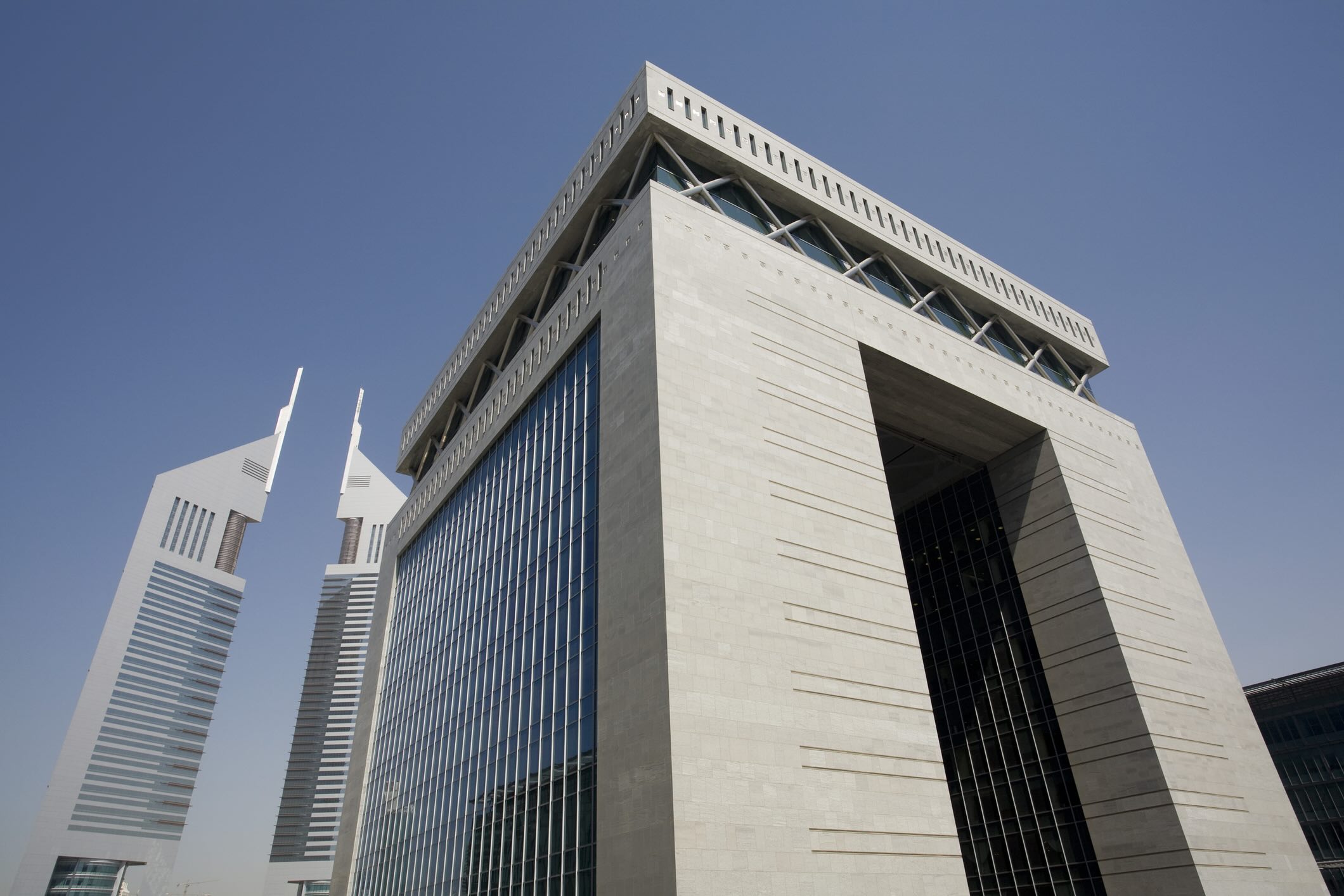
The reassurance from the central bank follows a related development in Dubai’s financial markets. The Dubai Financial Services Authority recently announced that Nasdaq Dubai reopened for trading on Wednesday, March 4 at 10:00 a.m. GST. The exchange, located in the Dubai International Financial Centre, serves as an international platform for trading equities, derivatives, and conventional bonds.
The regulator said it continues to closely monitor regional developments and remains in contact with local authorities and relevant advisory bodies.
For market participants, the reopening of the exchange offered a visible signal that core financial market infrastructure in the UAE continues to function normally despite broader geopolitical uncertainty.
The central bank also pointed to the financial strength of the UAE banking system. Banks maintain a capital adequacy ratio of 17 percent and a liquidity coverage ratio exceeding 146.6 percent, both significantly above the thresholds recommended by international supervisory bodies.
Total assets across the UAE’s banking and financial sector now exceed $1.48 trillion (AED 5.42 trillion), reflecting the scale and financial depth of institutions operating in the country. According to the central bank, these indicators demonstrate that the sector is well positioned to meet obligations and continue supporting economic activity even under stressed conditions.
Operational Resilience Across Financial Infrastructure
Officials emphasized the continued stability of the country’s financial infrastructure. Banking systems, payment systems, and national financial networks remain fully operational, supported by advanced technological and operational frameworks designed to ensure secure and uninterrupted services.
Financial institutions operating in the UAE also maintain risk management and business continuity frameworks aligned with international standards and best practices. These capabilities, the central bank said, strengthen the sector’s ability to respond quickly to emerging developments.
The regulator also said it continues to monitor financial stability indicators across the sector and conduct regular stress-testing exercises. The central bank maintains a comprehensive framework of prudential and monetary policy tools that allow it to act when necessary to safeguard financial stability and reinforce confidence in the system.
In addition, authorities said they remain in close coordination with financial institutions and other relevant bodies to ensure operational readiness and uninterrupted financial services across the country.
The GRC Report is your premier destination for the latest in governance, risk, and compliance news. As your reliable source for comprehensive coverage, we ensure you stay informed and ready to navigate the dynamic landscape of GRC. Beyond being a news source, the GRC Report represents a thriving community of professionals who, like you, are dedicated to GRC excellence. Explore our insightful articles and breaking news, and actively participate in the conversation to enhance your GRC journey.
Sponsored by
